Basic Training Commands Every Puppy Should Know
Bringing a new puppy home marks the beginning of a rewarding journey filled with learning and companionship. Training a puppy not only establishes a foundation for good behavior but also strengthens the bond between the owner and the dog. Among the essential skills a puppy can acquire, the commands sit, stay, and come are particularly valuable. These commands promote safety, facilitate communication, and enhance the quality of daily interactions. This article explores practical approaches to teaching these commands using positive reinforcement techniques that emphasize trust and clarity.
Positive reinforcement is a training method that rewards desired behaviors, making them more likely to be repeated. This approach aligns with the puppy’s natural learning process and fosters a positive association with training sessions. By focusing on rewards such as treats, praise, or play, owners can guide their puppies toward consistent and reliable responses. The following sections provide detailed guidance on training sit, stay, and come, along with considerations for effective practice and troubleshooting.
Preparing for Training Sessions
Before beginning any training, it is important to create an environment conducive to learning. Choose a quiet area with minimal distractions, especially during the initial stages. Puppies have short attention spans, so sessions should be brief—typically five to ten minutes—and conducted multiple times a day. Consistency in timing and location helps the puppy associate training with a specific context, making it easier to generalize commands later.
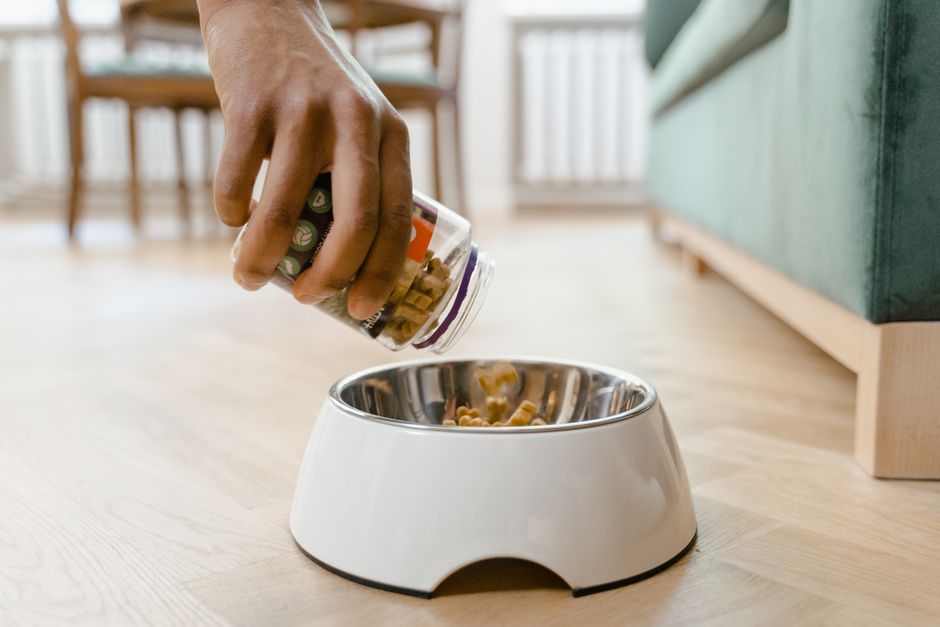
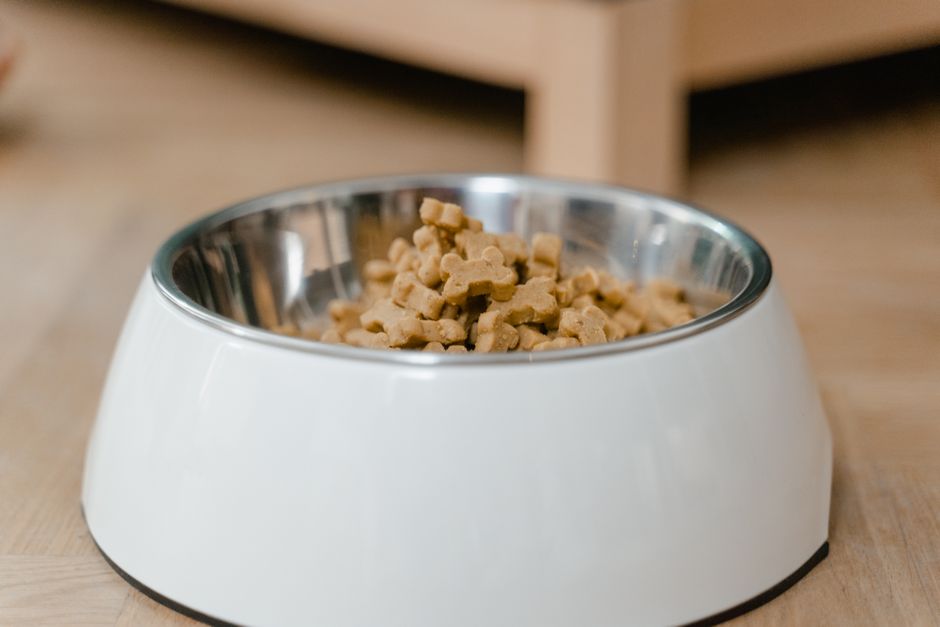
Selecting the right rewards is crucial. Small, soft treats that are highly palatable work well, but praise and play can also serve as effective motivators. Observe what your puppy finds most rewarding and use that as a primary reinforcer. Ensure that treats are healthy and accounted for in the puppy’s daily caloric intake to avoid overfeeding.
Puppies learn best when training is fun and engaging. Use a cheerful tone and maintain a patient demeanor. Avoid any form of punishment or harsh correction, as these can undermine trust and create anxiety. Instead, redirect unwanted behaviors and reward alternative actions. The goal is to build a positive learning experience that encourages the puppy to participate willingly.
Teaching the Sit Command
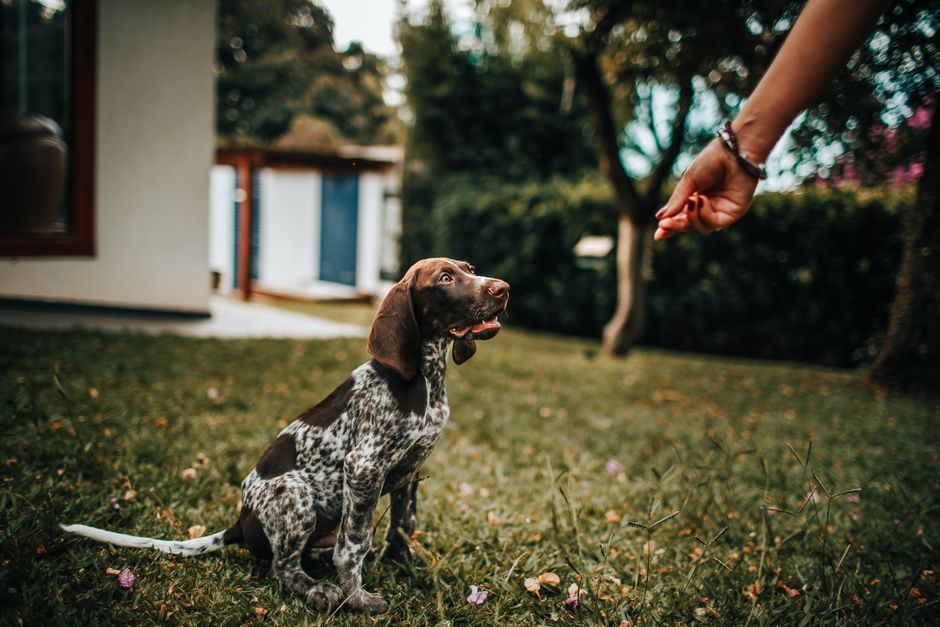
The sit command is often the first behavior taught because it is simple and serves as a foundation for other commands. To begin, hold a treat close to the puppy’s nose and slowly move it upward, allowing the puppy’s head to follow the treat. As the puppy’s head tilts up, its rear will naturally lower into a sitting position. The moment the puppy sits, say the word “sit” and immediately offer the treat and verbal praise. This sequence helps the puppy associate the action with the command.
Repeat this process several times, gradually phasing out the treat lure. Once the puppy consistently sits when the treat is presented, begin saying the command just before the physical cue. Eventually, the puppy will respond to the verbal command alone. Practice the sit command in various contexts—during walks, before meals, and when greeting visitors—to reinforce the behavior in different situations.
If the puppy does not sit readily, consider using a hand signal or luring technique. Some puppies respond better to a hand gesture, such as a flat palm raised upward. Patience is key; puppies learn at their own pace. Consistently rewarding the desired behavior will yield steady progress.
Teaching the Stay Command
The stay command teaches impulse control and is vital for safety in situations where the puppy must remain in place. Begin with the puppy in a sit position. Show a treat, then hold it in your closed hand and take one step back. Say “stay” in a calm, firm voice. If the puppy remains in place for a few seconds, return to it and offer the treat and praise. Gradually increase the distance and duration as the puppy becomes more reliable.
It is important to release the puppy from the stay with a release word, such as “okay” or “free.” This signals the end of the command and allows the puppy to move. Never call the puppy from a stay; instead, return to the puppy and release it. This prevents the puppy from associating the release cue with coming to you, which is reserved for the come command.
Practice stay in various environments, adding distractions gradually. Start with mild distractions, such as a toy nearby, and progress to more challenging ones like a doorbell or passing people. If the puppy breaks the stay, simply reset it calmly and try again with a shorter duration or closer distance. Avoid repeating the command multiple times; instead, use the release word and start over.
Teaching the Come Command
The come command is arguably the most critical for a dog’s safety, as it enables owners to recall their pet from potential dangers. Training come should always be associated with positive outcomes. Use a happy, encouraging tone when saying “come” and always follow through with a reward when the puppy arrives. Never use the come command to reprimand or end playtime, as this creates negative associations.
Begin in a distraction-free area. Say “come” while showing a treat or a favorite toy. When the puppy moves toward you, praise enthusiastically and reward it upon arrival. As the puppy becomes consistent, gradually increase the distance and add distractions. Practice in a securely fenced area to ensure the puppy cannot run off.
To prevent the puppy from ignoring the command, avoid repeating “come” multiple times. If the puppy does not respond, lightly clap or crouch down to make yourself more interesting. Never punish the puppy for coming slowly; always reward the response. Over time, the puppy will learn that coming to you leads to pleasant experiences, making the command reliable in various situations.
Integrating Positive Reinforcement and Troubleshooting
Positive reinforcement extends beyond the basic commands. It involves consistently rewarding desired behaviors and ignoring or redirecting undesired ones. This approach builds a strong foundation of trust and mutual respect. When incorporating positive reinforcement into daily routines, focus on rewarding the puppy for behaviors you want to encourage, such as lying calmly or checking in with you during walks.
Troubleshooting common challenges can help maintain progress. If a puppy loses interest in treats, try varying the reward types or adjusting the training environment. If a particular command seems difficult, break it down into smaller steps. For instance, for stay, start with the puppy in a sit while you remain close, then gradually increase the distance. Always end training sessions on a positive note with a command the puppy knows well.
Consistency among all family members is essential. Everyone should use the same cues and reward systems to avoid confusion. Schedule training sessions at times when the puppy is not overly tired or excited, and keep sessions short to maintain enthusiasm. As the puppy matures, continue to reinforce these commands periodically to maintain proficiency.
“Training is not about control, but about communication. Positive reinforcement opens a dialogue that builds trust and understanding.” – A seasoned dog trainer
Incorporating these commands into daily life reinforces their importance. For example, asking the puppy to sit before entering the house or waiting at a curb reinforces the sit command in real-world contexts. The come command can be practiced during off-leash play in safe areas. By integrating training into everyday activities, the puppy learns to respond reliably in various situations.
Building a Lifelong Bond Through Training
Training is an ongoing process that extends far beyond the basic commands. It is an opportunity to communicate expectations and build a relationship based on trust and respect. Positive reinforcement techniques not only teach specific behaviors but also encourage the puppy to engage with its owner and the environment in a constructive manner. This approach promotes mental stimulation and emotional well-being.
As the puppy masters sit, stay, and come, owners may find it easier to introduce advanced commands and socialize the dog in various settings. The skills learned through basic training provide a framework for ongoing learning and adaptation. The patience and consistency invested in the early months pay off in the form of a well-behaved companion who is a pleasure to be around.
It is important to remember that every puppy is an individual with unique learning styles and paces. Some may grasp commands quickly, while others require more time. The key is to remain patient, observant, and flexible. Adjust training techniques to suit the puppy’s needs, and always keep sessions positive and rewarding. With time and dedication, the bond between owner and puppy will flourish, creating a relationship built on clear communication and mutual understanding.