Separation anxiety in dogs is a behavioral condition characterized by distress and problematic behaviors when a dog is left alone or separated from their primary caregiver. This condition is more than just occasional misbehavior; it is a genuine panic response that can manifest in various ways, including excessive vocalization, destructive chewing, house soiling, and attempts to escape. Understanding the underlying causes and implementing effective strategies is crucial for improving the well-being of both the dog and the owner. While the exact reasons vary, research and clinical observations have identified several contributing factors. This article aims to provide a comprehensive overview of the causes and practical solutions, focusing on crate training and gradual desensitization techniques, all within a neutral and informational framework.
For dog owners, witnessing a pet’s distress upon departure can be heart-wrenching. However, addressing separation anxiety requires a methodical and patient approach. It is important to recognize that every dog is unique, and what works for one may not work for another. This guide will explore the etiology of separation anxiety, discuss the role of environmental and genetic factors, and outline step-by-step strategies that can be implemented to help a dog feel more secure when alone. By approaching the issue with knowledge and consistency, owners can create a more positive experience for their canine companions.
Understanding the Causes of Separation Anxiety
Separation anxiety arises from a complex interplay of genetic predisposition, early life experiences, and environmental triggers. Some dogs are inherently more prone to anxiety due to their breed or individual temperament. For instance, breeds known for strong bonding to their owners, such as Labrador Retrievers or German Shepherds, may exhibit higher susceptibility. Additionally, dogs that have experienced traumatic events, such as being abandoned, rehomed multiple times, or losing a companion, are at increased risk. The developmental stage during which a puppy is socialized also plays a significant role; puppies that are not gradually accustomed to being alone during their critical socialization period may develop anxiety later.
Environmental factors, such as changes in household routine, moving to a new home, or the departure of a family member, can trigger the onset of separation anxiety. Even subtle changes like a different work schedule can disrupt a dog’s sense of security. Moreover, owners inadvertently reinforce anxious behavior by providing excessive reassurance before leaving or upon return, which may exacerbate the condition. It is important to note that separation anxiety is not a result of disobedience or spite; rather, it is a panic disorder. Understanding these causes helps in formulating a compassionate and effective approach to treatment.
Recognizing the Signs and Differentiating from Other Issues
Identifying separation anxiety requires careful observation of a dog’s behavior specifically when left alone. Common signs include persistent barking or howling, destructive behavior directed at doors or windows, urination or defecation in the house despite being house-trained, and excessive drooling or panting. These behaviors typically occur within a short time after the owner leaves and may cease upon their return. It is essential to distinguish separation anxiety from other medical or behavioral issues that can cause similar symptoms. For example, puppies may not have full bladder control, or a dog might chew out of boredom. A veterinarian can rule out medical conditions such as urinary tract infections or gastrointestinal problems.
Furthermore, monitoring a dog’s behavior through video recordings can provide valuable insights. Owners might observe that the dog exhibits signs of anxiety even before the owner departs, such as following them around the house or becoming agitated when they pick up keys. In some cases, separation anxiety can be secondary to other anxieties, such as noise phobias. A thorough assessment, possibly with the help of a professional dog trainer or veterinary behaviorist, can ensure that the treatment plan addresses the root cause. Accurate recognition is the first step toward effective management.
Crate Training as a Foundation for Security
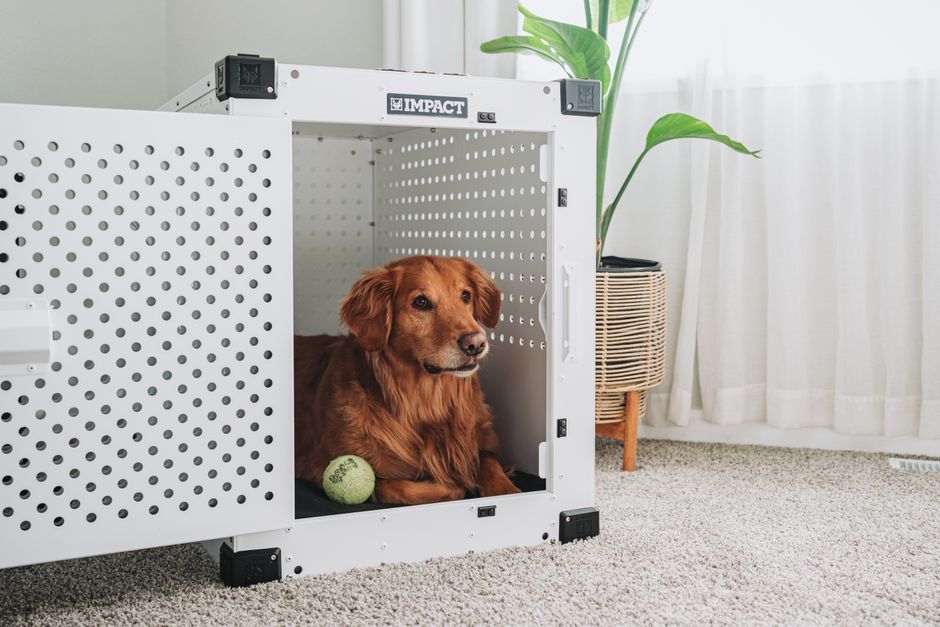
Crate training, when introduced properly, can provide a dog with a safe and secure den-like space that reduces anxiety when left alone. The crate should be seen as a positive retreat, not a punishment. The process involves gradually acclimating the dog to the crate in a series of small, positive steps. Start by placing the crate in a common area and leaving the door open, encouraging the dog to explore it on their own by placing treats or toys inside. Once the dog is comfortable entering the crate, begin feeding meals inside with the door open, then gradually close the door for short periods while staying nearby.
Over time, the duration of confinement can be increased, but it is crucial to ensure that the dog remains calm. Building a positive association with the crate can be achieved by offering a special treat or toy only when the dog is in the crate. It is also important to use the crate for short periods even when the owner is home to prevent the dog from associating the crate solely with being left alone. However, crate training is not suitable for all dogs, especially those with severe confinement anxiety. For such dogs, alternative strategies like a pet-safe room or a playpen may be more appropriate. Crate training should be implemented gradually and consistently, with the owner remaining calm and matter-of-fact.
Gradual Desensitization and Counter-Conditioning
Gradual desensitization involves exposing the dog to the triggers of anxiety in a controlled and incremental manner so that the dog learns to remain calm. For separation anxiety, the trigger is the owner’s departure. The process begins by performing departure cues, such as picking up keys or putting on a coat, without actually leaving. These actions are done repeatedly until the dog no longer reacts with anxiety. Next, the owner can step out of the door for just a few seconds and then return, rewarding the dog for calm behavior. The duration of absence is slowly increased, but only as long as the dog remains relaxed.
Counter-conditioning complements desensitization by changing the dog’s emotional response to being alone. This is often achieved by associating alone time with something positive, such as a food-stuffed puzzle toy or a tasty treat that is only given when the owner is away. The goal is to create a positive anticipation for the owner’s departure rather than fear. It is important to vary the routines and avoid exaggerated emotional departures and arrivals, as these can heighten the dog’s stress. Owners should also ensure that the dog receives sufficient exercise and mental stimulation before being left alone, as a tired dog is more likely to rest. Consistency and patience are key, and progress may be slow. Professional guidance may be necessary if the anxiety is severe.
Additional Management Strategies and Lifestyle Adjustments
Beyond crate training and desensitization, several other strategies can support a dog with separation anxiety. Environmental enrichment, such as interactive toys, puzzle feeders, or leaving a radio or television on at low volume, can provide distraction and reduce feelings of isolation. Scheduling departures and arrivals in a low-key manner—ignoring the dog for the first few minutes after returning—can reduce the emotional intensity of these moments. In some cases, natural calming aids, such as pheromone diffusers or anxiety wraps, may be helpful, though their efficacy varies.
For dogs with severe anxiety, consultation with a veterinarian or a veterinary behaviorist is advisable to explore additional options, which might include medication as part of a comprehensive behavior modification plan. It is important to recognize that overcoming separation anxiety is a gradual process that requires patience and consistency. Owners should avoid punishment, as it increases anxiety and damages the bond. By combining multiple strategies and adjusting the approach based on the dog’s response, many dogs can learn to cope with being alone. However, individual outcomes depend on various factors, and professional input can be invaluable.
Every dog is unique, and what works for one may not work for another.
Conclusion: Building a Path to Calm Independence
Separation anxiety is a challenging condition, but with a thorough understanding of its causes and a structured approach to treatment, progress is possible. The journey involves recognizing the signs, providing a safe environment, and implementing gradual desensitization and counter-conditioning techniques. Crate training, when used correctly, can offer a secure retreat, but it is not a one-size-fits-all solution. While this article provides general information, each dog’s situation is unique, and outcomes cannot be guaranteed. Therefore, it is essential to work with professionals to tailor a plan that suits the individual dog’s needs. By remaining patient and committed, owners can help their canine companions develop the confidence to be alone without distress.