The Ultimate Guide to Grooming Your Long-Haired Cat
Long-haired cats are known for their luxurious coats, but that beauty comes with a responsibility: regular grooming. Without proper care, their fur can quickly become matted, leading to discomfort and skin issues. This guide provides a comprehensive approach to grooming your long-haired cat, from understanding coat types to mastering brushing, detangling, and bathing. By following these steps, you can help maintain your cat’s coat health and strengthen your bond.
Grooming is not just about aesthetics; it is an essential part of your cat’s overall well-being. Regular sessions allow you to monitor your cat’s skin condition, detect early signs of parasites or infections, and prevent painful mats from forming. Moreover, grooming can be a calming activity for both you and your feline friend, creating a positive routine. Whether you are a new owner or have years of experience, this guide will offer practical advice to make grooming easier and more effective.
Understanding Your Long-Haired Cat’s Coat
Long-haired cats have a double coat consisting of a soft undercoat and a longer, coarser topcoat. The undercoat is dense and prone to tangling, while the topcoat provides protection. Common breeds include Persians, Maine Coons, and Ragdolls, each with unique coat characteristics. For instance, Persians have a thick, plush coat that mats easily, while Maine Coons have a water-resistant topcoat with a silky texture. Understanding your cat’s specific coat type is crucial for selecting the right grooming tools and techniques.
Many long-haired cats also shed seasonally, which can increase grooming needs. During shedding periods, loose fur can accumulate and contribute to matting if not removed promptly. Regular brushing helps distribute natural oils, which keeps the coat shiny and reduces dryness. Additionally, a healthy diet rich in omega-3 and omega-6 fatty acids supports coat condition from the inside, but grooming remains the primary external factor in preventing mats.
Essential Grooming Tools for Long-Haired Cats
Having the right tools makes a significant difference in grooming efficiency and your cat’s comfort. A high-quality slicker brush is a staple for removing loose fur and detangling minor tangles. A metal comb with both wide and fine teeth helps work through knots and check for fleas or debris. Undercoat rakes are designed to thin out the dense undercoat, especially during shedding season. For stubborn mats, a mat splitter or dematting tool can cut through without pulling the skin. Additionally, grooming scissors with rounded tips are useful for carefully trimming matted areas, but they should be used with extreme caution.
It is important to choose tools that suit your cat’s coat and sensitivity. Some cats have sensitive skin, so soft-bristle brushes might be more comfortable. Always inspect the tools for sharp edges that could scratch your cat. Introducing tools gradually and pairing them with treats can create positive associations, making grooming a pleasant experience. Remember to clean your tools regularly to prevent bacterial buildup.
Step-by-Step Brushing and Detangling Techniques
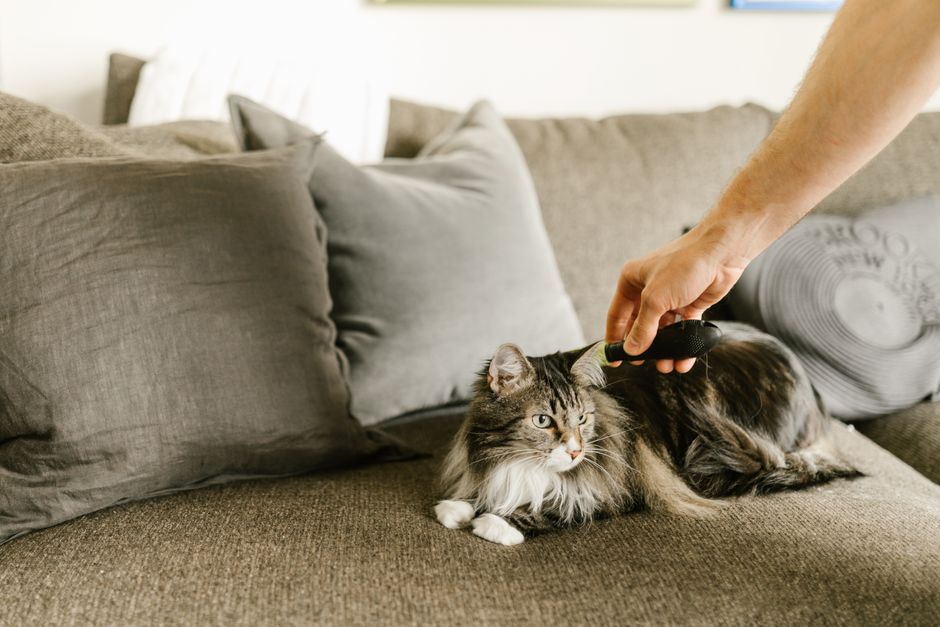
Brushing should be a gentle and methodical process. Start with a calm environment, perhaps after your cat has eaten or is relaxed. Begin by petting your cat to reassure them, then use your hands to feel for any tangles. Always brush in the direction of hair growth, using slow, steady strokes. For the body, work from the head down to the tail, section by section. Pay extra attention to areas prone to matting: behind the ears, under the armpits, along the belly, and on the hind legs.
For detangling, never pull or yank at mats. If you encounter a small tangle, hold the hair at the base to avoid tugging the skin, and gently work through it with your fingers or a wide-tooth comb. For stubborn mats, use a slicker brush, starting at the edges and working inward. Apply a pet-safe detangling spray if needed, as it can soften the hair. If a mat is too tight and close to the skin, it may be safer to use mat splitter or, ideally, consult a professional groomer.
A final thorough combing with a fine-tooth comb ensures all tangles are removed and helps distribute oils. Regular brushing sessions, ideally several times a week, are essential. The frequency depends on your cat’s coat density and season. During heavy shedding, daily brushing may be necessary.
Bathing Your Long-Haired Cat
Bathing a cat is not always necessary, but it can help reduce dander, remove dirt, and occasionally address skin conditions. Before bathing, ensure your cat is comfortable with the water and thoroughly brushed to remove any tangles, as wet fur is even more prone to matting. Use lukewarm water and a cat-specific shampoo that is gentle and free of harsh chemicals. Human shampoos can strip natural oils and irritate their skin. Fill a sink or tub with a few inches of water, and have towels ready.
When bathing, speak in a calm tone and avoid sudden movements. Wet your cat’s coat gradually, avoiding the head and ears. Apply shampoo, lather gently, and rinse thoroughly to remove all residue. A handheld sprayer can be helpful but keep the water pressure low. After rinsing, wrap your cat in a towel and gently pat to remove excess water. Then, use a blow dryer on a low, warm setting, keeping it at a safe distance, while brushing his fur to prevent tangles. Some cats may be frightened by the dryer, so you can let them air dry in a warm, draft-free room, but be prepared for more grooming later.
Bathing should be done only when necessary, such as when your cat has gotten into something messy or has a skin issue. Over-bathing can cause dry skin and coat problems. If you are unsure about bathing your cat, consult your veterinarian for guidance.
Preventing and Managing Mats
Prevention is always better than cure. Regular brushing is the most effective way to prevent mats, but additional measures can help. Consider scheduling a professional grooming session every few months, especially for high-maintenance breeds. Some owners also trim the fur in high-friction areas like the belly and rear, but this should be done carefully or by a groomer. A balanced diet with high-quality protein and omega fatty acids supports coat health, reducing breakage and tangling.
If mats do form, address them promptly. Small mats can be teased out with your fingers and a comb. For larger mats, you may need to use a dematting tool or, if the mat is close to the skin, seek professional help to avoid cutting your cat. Mats can pull the skin and cause pain, and if left untreated, they can lead to skin irritation, infections, or even restrict movement. In severe cases, clipping the affected area may be the best solution.
Grooming your long-haired cat is an act of care that responds to their specific needs. Each step, from brushing to detangling to bathing, contributes to a tangle-free, shiny coat.
Creating a Positive Grooming Routine
Consistency is key to successful grooming. Establishing a regular schedule helps your cat know what to expect and reduces anxiety. Start grooming sessions when your cat is young, but even older cats can learn to enjoy it with patience and positive reinforcement. Use treats, praise, and gentle tones to reward cooperation. Keep sessions short if your cat becomes restless, gradually increasing the duration as they get used to it.
In addition to brushing and bathing, grooming includes other aspects like ear cleaning, nail trimming, and dental care. While these are important, they should be introduced separately to avoid overwhelming your cat. Integrating grooming into your daily routine can be a bonding experience that also keeps your cat healthy and comfortable. Remember, every cat is unique, so pay attention to their cues and adjust your approach accordingly.
Ultimately, a well-groomed long-haired cat is a happier and healthier companion. By understanding the techniques outlined in this guide and adapting them to your cat’s needs, you can maintain a beautiful coat and strengthen your relationship.